Despite the ongoing improvements in digital imaging technology, analog cameras remain a popular (and beloved) instrument for many photographers. The film has been witnessing a resurgence in popularity among professionals and amateurs alike—even gadget-obsessed millennials are ditching their smartphones and digital cameras for old school film cameras. Unlike digital photography, working with film can be quite tricky. You have to be very selective about the images you take, as you don’t want to waste film. You also don’t have the option of cropping out unwanted elements or adjusting the exposure of a particularly dark image (unless you own a film scanner) with photo editing software later on. And of course, the entire process of turning your film into an actual photo is an arduous one as well. Analog cameras capture images by exposing photographic film to light, with the scene in front of the lens being reproduced onto the material thanks to the chemical reaction between the silver halides and the light itself. The film is then developed in a dark room and turned into an actual photographic print. It’s much more complicated than it seems, but that’s part of what makes it fun for most photographers. Other reasons why people are turning to film is because it offers a variety of creative and technical advantages—such as higher dynamic range, superior color saturation and accuracy, and the ability to experiment with double exposure. Additionally, film cameras are generally more affordable—some typically have a higher resolution as well—than many of their digital counterparts. Also, black and white pictures tend to be more detailed when shot on film due to the higher dynamic range. If you’re interested in learning more about the different types of film cameras, as well as the various film formats and types available to film enthusiasts, then read on.
Types of Film Cameras

Single-Lens Reflex (SLR) Cameras
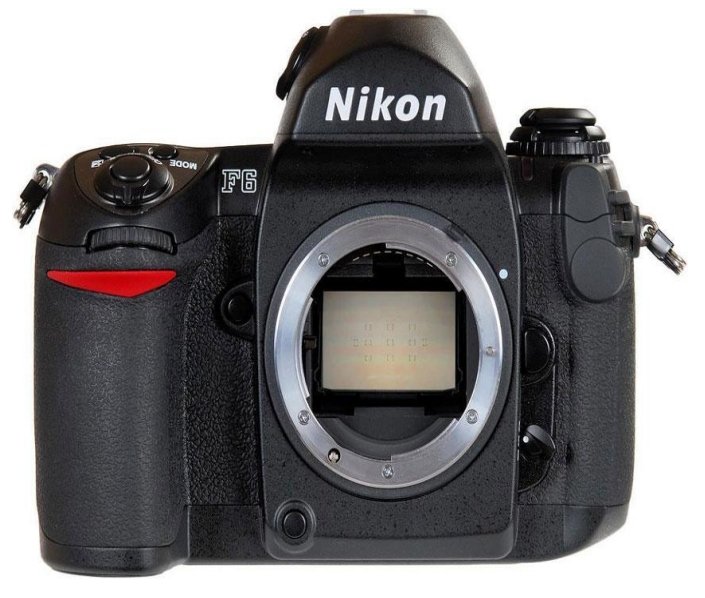
These cameras are the analog equivalent of the DSLR. It has the same internal mirror mechanism that allows you to look straight through the lens and see a near-exact approximation of what the image will look like once it’s captured. SLR cameras also allow you to swap lenses, enabling you to exert greater control over your shots.
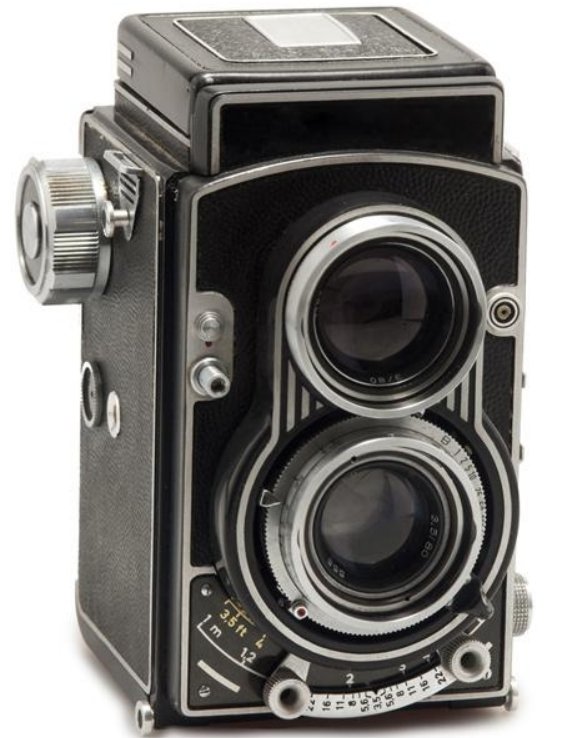
Twin-Lens Reflex (TLR) Cameras
Equipped with double objective lenses of identical focal lengths, twin-lens reflex or TLR cameras can continuously display the scene you are trying to shoot on the viewfinder screen—they do not “blackout” during exposure like SLRs do. One lens is used for viewing while the other lens exposes the film, and thanks to these separate lenses, you can examine the scene as the camera takes the shot, which can be helpful for certain applications that require longer shutter speeds.
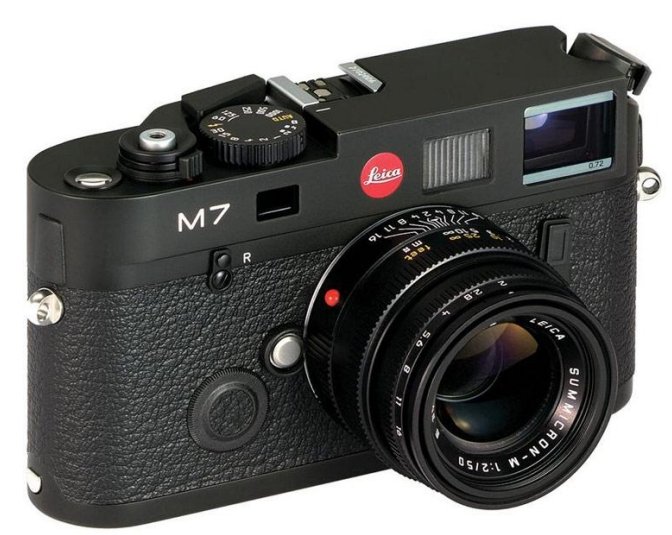
Rangefinder Cameras
The most distinguishing feature of a rangefinder camera is that it calculates distance through triangulation for accurate focusing. It uses a somewhat similar mechanism as the SLR, except that this mechanism, which involves a compact revolving mirror and two windows, is used for focusing—not for viewing the scene to be captured. Also, unlike the SLR, a rangefinder does not allow you to look through the lens, but through a small window on the upper right side (in the same way, you would with a point-and-shoot camera).
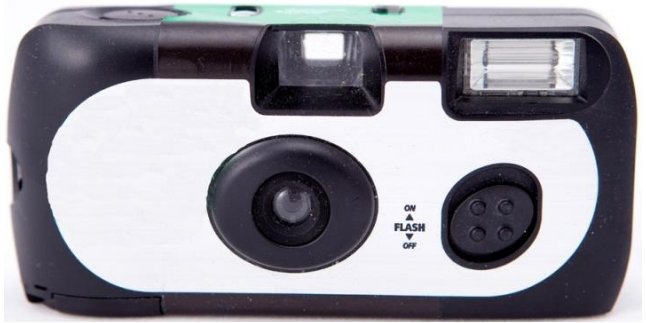
Point-and-Shoot Cameras(1973)
Without mirrors or any of the other complex mechanisms found in more sophisticated cameras, point-and-shoots are generally very compact and lightweight. These are what people call “disposable” or one-time-use cameras, as they cannot be reloaded with a new roll of film. As the name suggests, point-and-shoot cameras don’t allow you to do anything other than point and shoot. The camera controls focus and exposure settings automatically, plus it has a fixed focal length lens so you won’t be able to zoom in or out.

Instant Cameras
One of the most popular film cameras today, the instant camera is essentially a point-and-shoot camera that prints images instantaneously on self-developing film. Some models even allow you to choose from several shooting modes or adjust the brightness of the image for better results. The appeal of this camera lies in its ability to satisfy our desire for instant gratification—you’ll be able to see your photos immediately after capturing them, much like with a digital camera. And unlike most of the film cameras on this list, this type of camera is still being manufactured today.

Stereo Cameras
Stereo cameras can reproduce human binocular vision and shoot images with 3D effects, all thanks to its multiple lenses and their respective image sensors or film frames. There are several possible uses for stereo cameras, including range imaging and the creation of stereoviews and 3D pictures for movies.
Panoramic Cameras
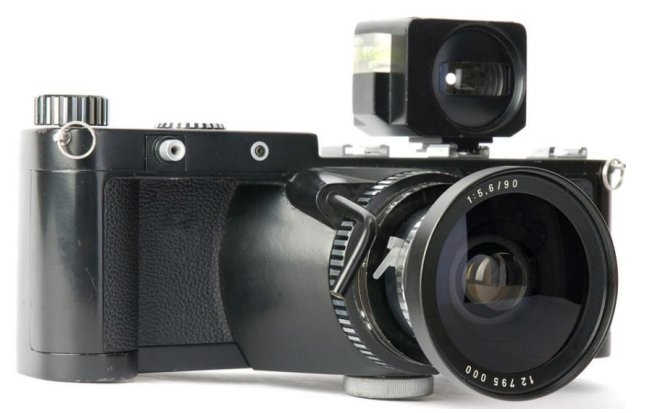
Panoramic cameras have been around since the 1800s. The first successful model, the Megaskop, was created by German-born photographer Friedrich von Martens in 1844 or 1845. Various photographers and inventors created their version of the panoramic camera over the last two centuries, each with different mechanisms and components. What all of them had in common, however, is that they were able to compose large, highly detailed images by fully utilizing the entire film frame.
Folding Cameras
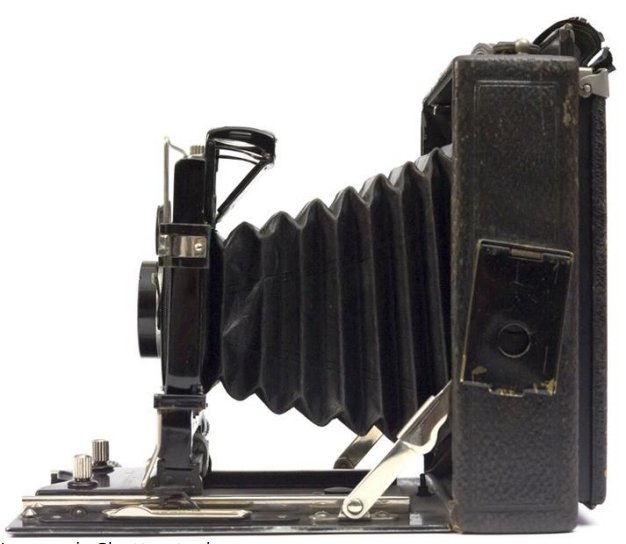
One distinct feature of the folding camera is its bellows—which looks like what you see on an accordion instrument—situated between the lens and the camera body. This part can alter both image focus and in-camera effects, as well as fix distortion in certain cases. You can also achieve different effects for your image by adjusting the lens angle and position at the bellows’ edge and the film back.
Large Format Cameras
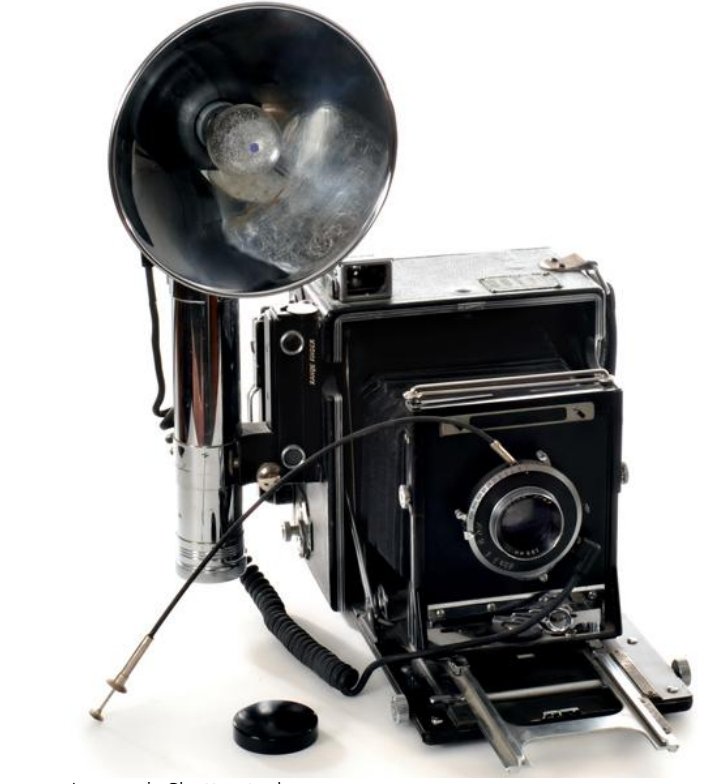
A large-format camera is technically any camera with an imaging format of at least 4×5 inches (102×127 mm) or bigger. Unlike other cameras on this list, large format cameras are not limited to a specific camera design or mechanism. It can be a rangefinder, an SLR, a twin-lens reflex, or even a pinhole camera.
Box Cameras
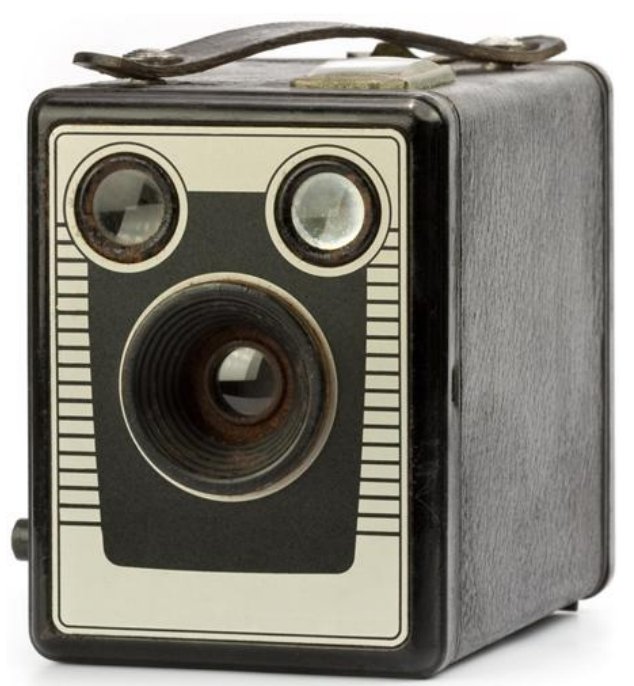
As the name suggests, box cameras come in the form of a cardboard or plastic box, with a lens on one end and film on the other end. To create images, these simplistic cameras have an aperture that captures light, which is then burned onto the negative.
Pinhole Cameras
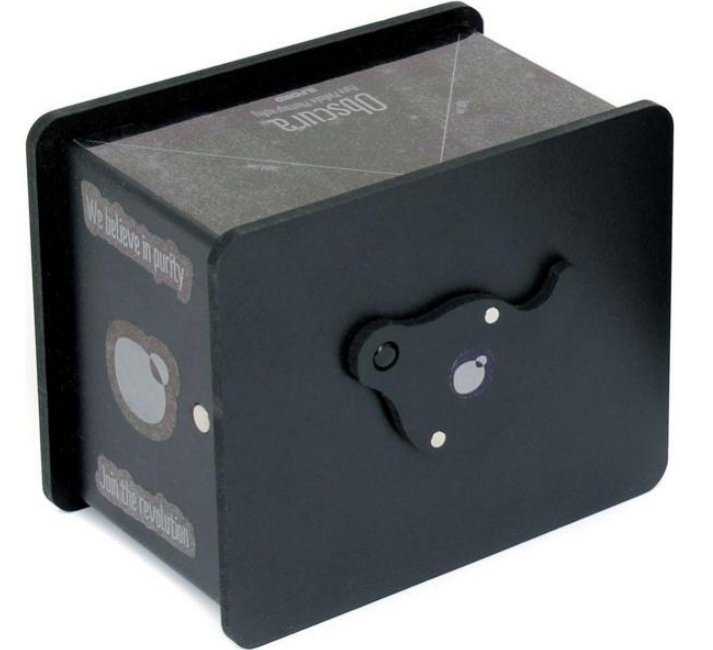
A pinhole camera (or “camera obscura”) is a sealed box or
chamber with a tiny hole or aperture on one side. It creates
images by allowing light to pass through the pinhole and
projecting an inverted image on the opposite side of the chamber
and onto the film or photographic paper.
Pinhole cameras are characterized by an immense depth of field
and a very wide camera angle.
Toy Cameras
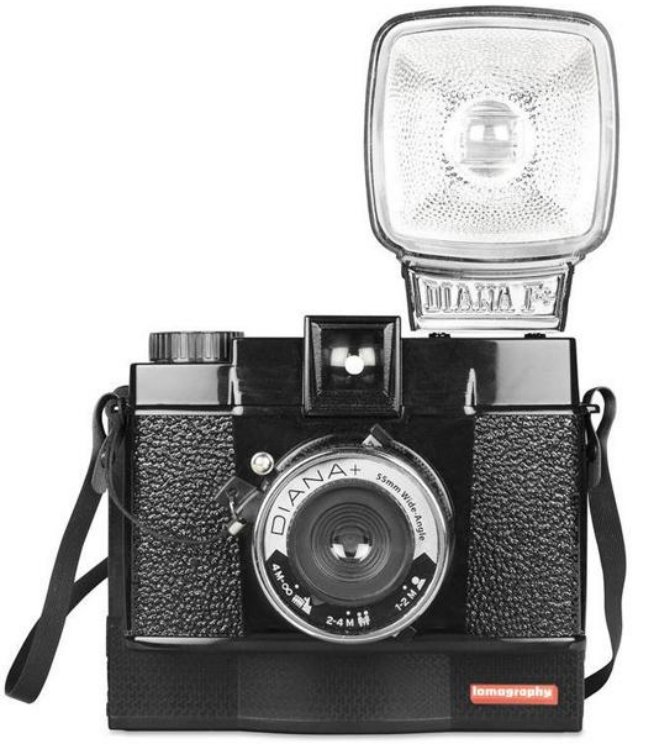
Toy cameras are normally made of plastic and are very easy to use, making them suitable for children. They’re also capable of shooting decent images regardless of the various defects in their lenses. Some Lomography cameras, like the Diana F+ Medium Format Camera (), can be categorized under this film camera type